
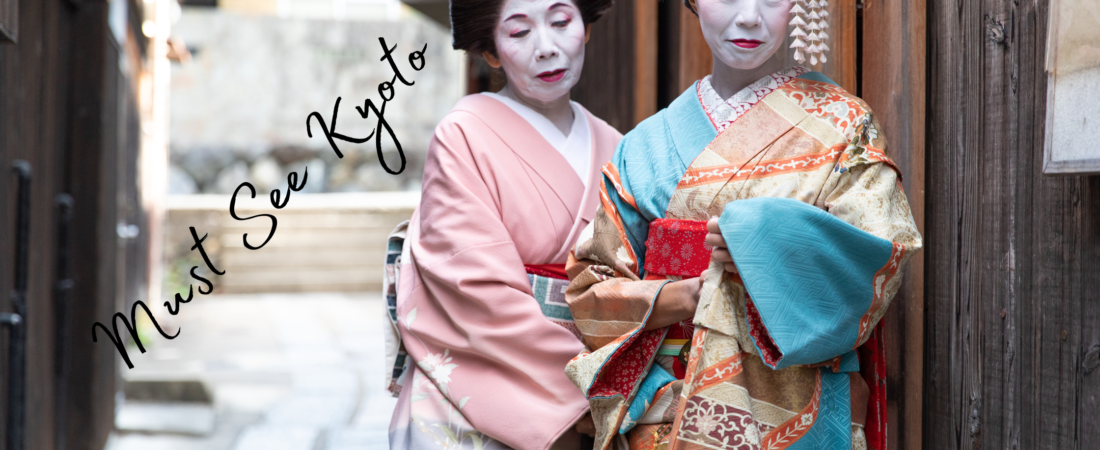
A Historical Journey Through Kyoto
Kyoto is Japan’s old soul — the city that remembers everything. It was the imperial capital for over a thousand years, which explains why it feels like history is quietly watching you from behind every wooden door and temple gate. While the rest of Japan sprinted into modern life, Kyoto took a more graceful approach, choosing to stroll — preferably in a kimono, carrying tea.
The city became the capital after the emperor decided Nara needed a reset (relatable), and Kyoto was carefully designed with wide streets, elegant gardens, and enough temples to make your step counter very proud. The Heian period was Kyoto’s golden age, producing art, poetry, and The Tale of Genji — basically Japan’s original soap opera, written by Murasaki Shikibu, who was doing literary greatness long before it was cool. I like to imagine her writing dramatic plot twists while cherry blossoms floated past.
Kyoto also has its share of dramatic legends, warriors, and intrigue, but today it’s best known for preserving traditions — tea ceremonies, handmade crafts, and shrines that somehow feel both ancient and alive. It’s not frozen in time… it just remembers where it came from — and politely expects you to take your shoes off.
Temples and Shrines: A Kaleidoscope of Serenity
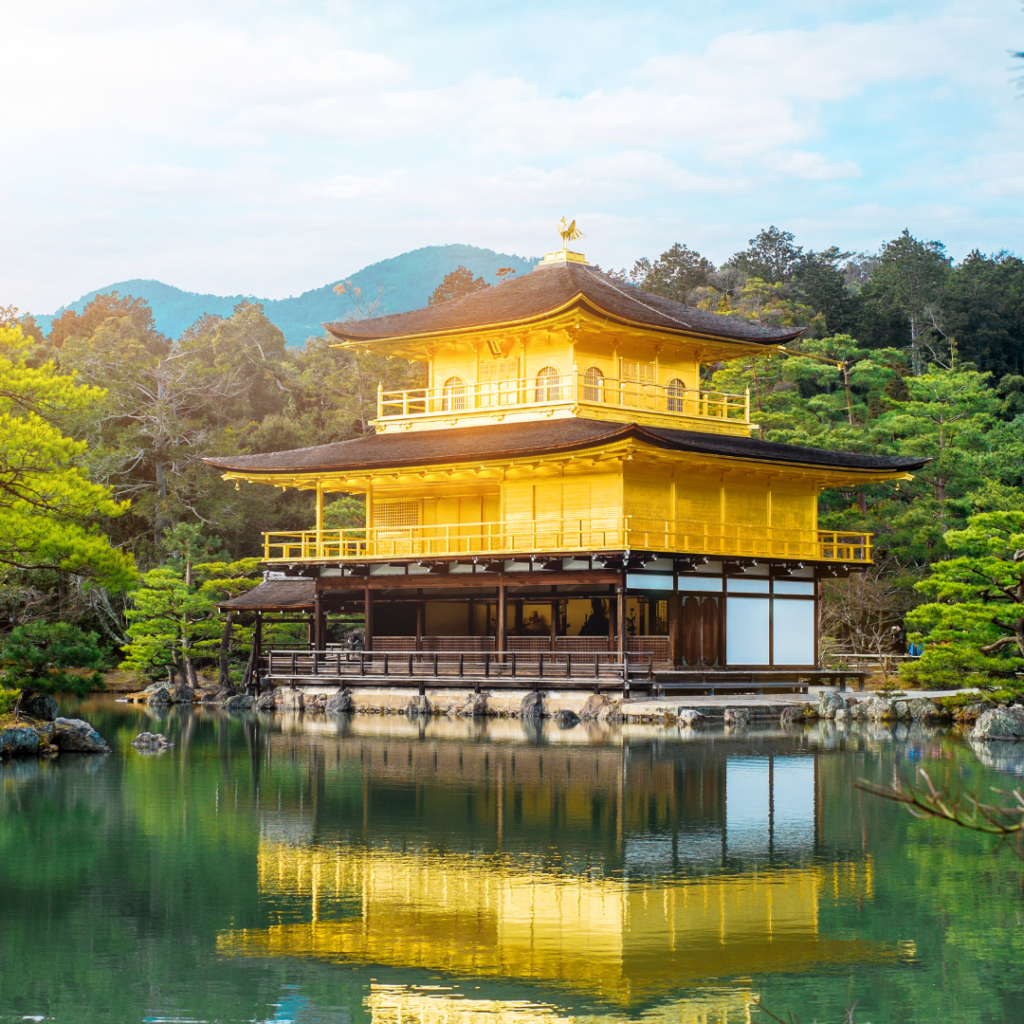
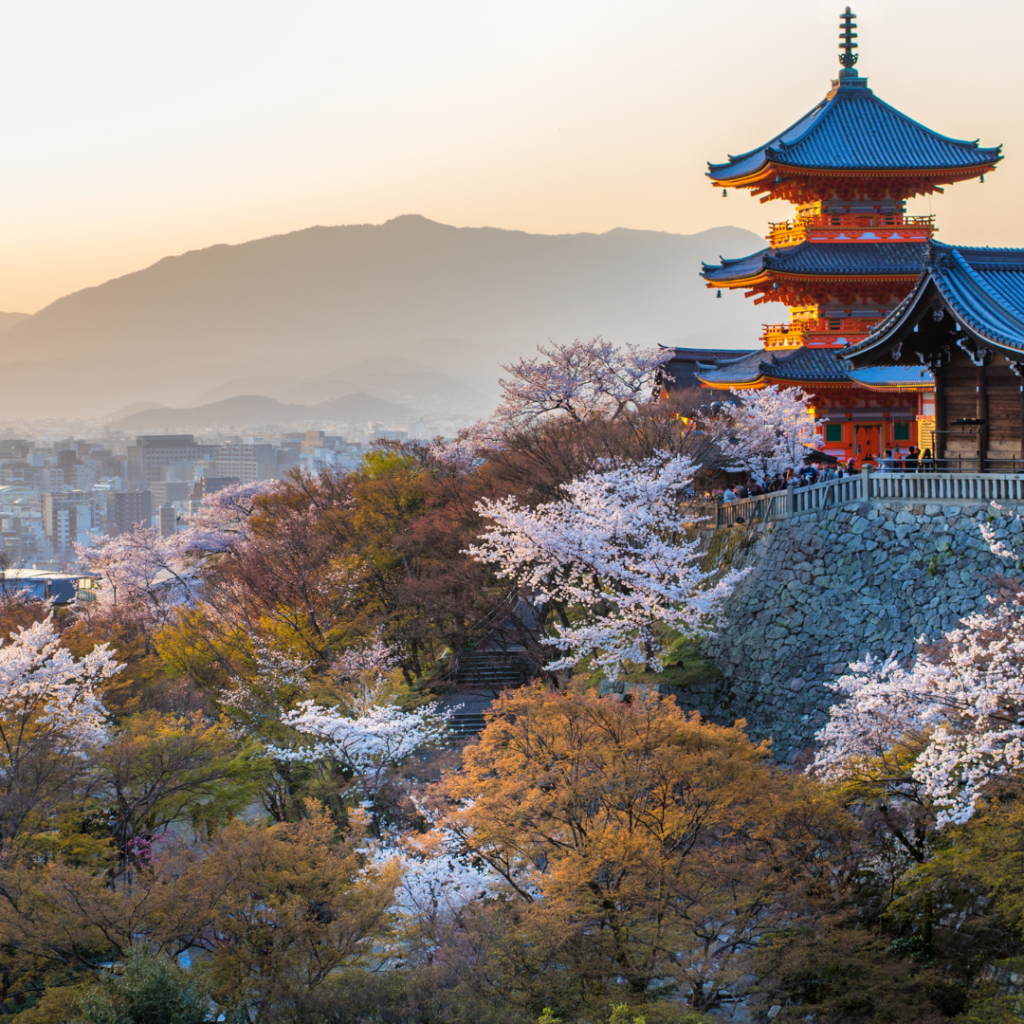
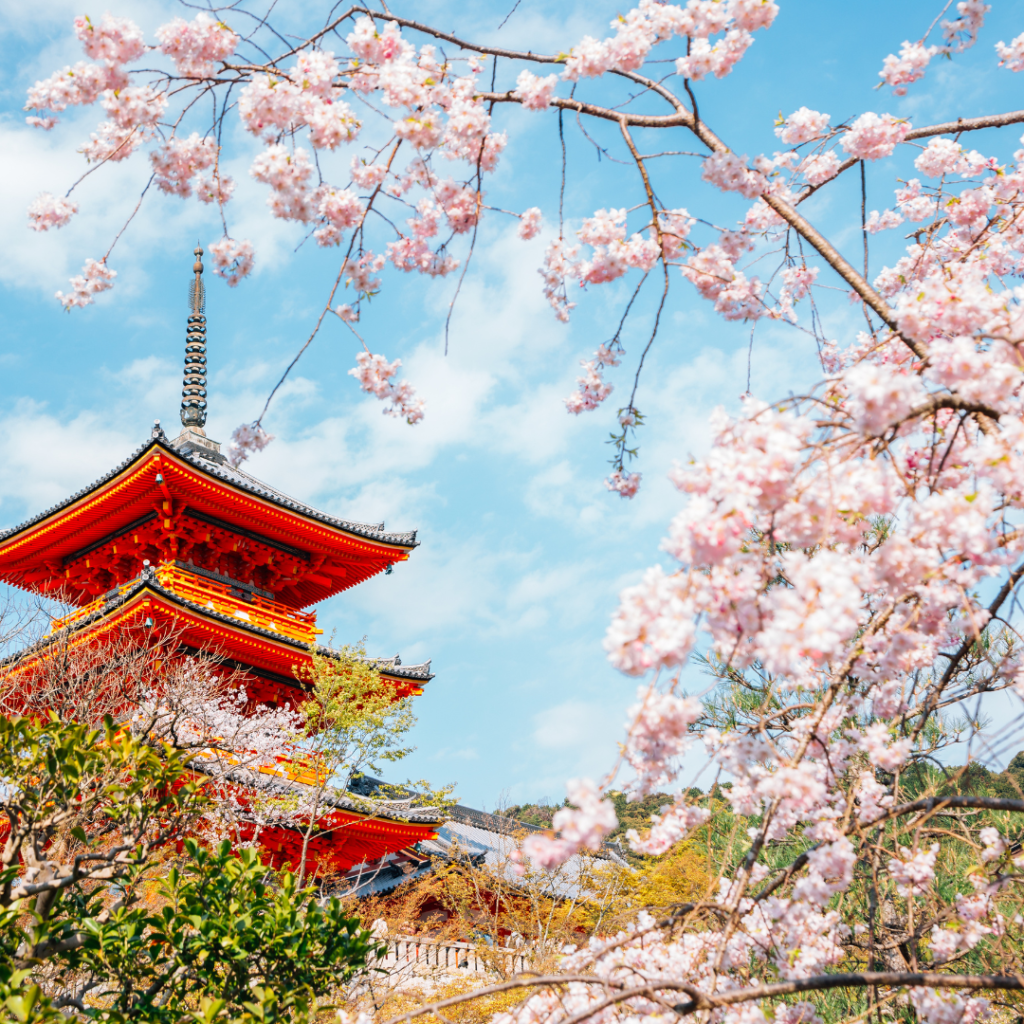
Kyoto wears its spirituality beautifully, and nowhere is that more obvious than in its temples and shrines — especially in spring, when cherry blossoms drift through temple grounds like nature’s confetti. One of the city’s most famous sights is Kinkaku-ji, the Golden Pavilion, which looks almost unreal as it gleams in gold leaf and reflects perfectly in the surrounding pond. Built in the 14th century, it’s the kind of place that makes you stop mid-sentence, mid-step, and just stare. Add cherry blossoms or autumn leaves and suddenly your camera roll explodes.
Then there’s Fushimi Inari Taisha, instantly recognizable by its thousands of bright vermillion torii gates winding their way up Mount Inari. Each gate represents a wish for prosperity, and walking through them feels a bit like stepping into a movie set — one that just keeps going, deeper into the forest, higher up the mountain, and occasionally into “how far did we just walk?” territory.
Many of Kyoto’s temples also feature zen gardens designed for quiet reflection — raked gravel, carefully placed stones, and an overall reminder to slow down. Exploring these sacred spaces isn’t just sightseeing; it’s an experience that gently pulls you out of everyday chaos and into Kyoto’s calm, timeless rhythm.
Meet the People: The Heart of Kyoto
Kyoto isn’t just about temples and scenery — it’s about the people. The shopkeepers who greet you with a bow and a smile, the elderly locals who seem genuinely delighted that you’re curious about their city, and the quiet pride everyone carries in protecting traditions that go back centuries. Wander down a side street and you’ll quickly realize Kyotoites aren’t rushed in their kindness, even if they’re efficient in everything else.
Nishiki Market is where this warmth really comes alive. Between bites of street food and samples you didn’t ask for (but happily accepted), locals chat, joke, and gently guide you toward what’s truly good. It feels less like shopping and more like being welcomed into a very food-obsessed family.
Festivals like Gion Matsuri offer another glimpse into Kyoto’s soul. Locals dressed in traditional clothing are often eager to explain customs, share stories, and laugh when you inevitably ask a slightly awkward question. Their curiosity flows both ways — they want to know where you’re from just as much as you want to know about them.
Culinary Delights
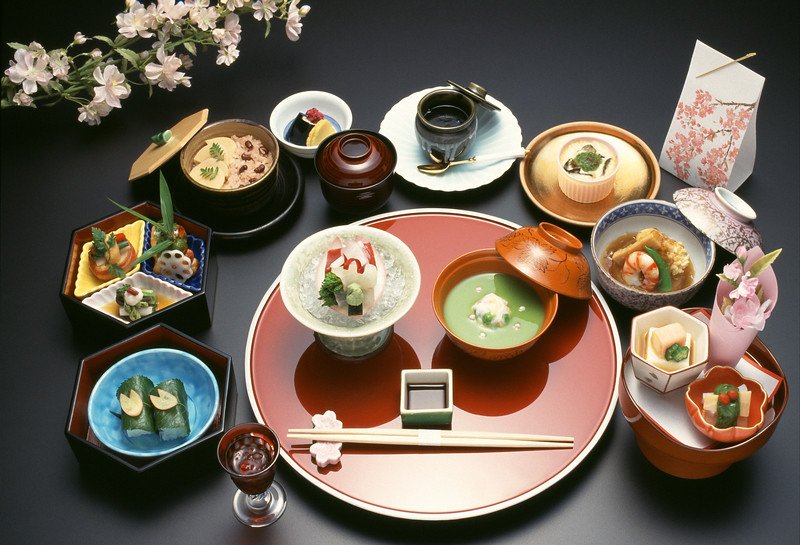
Kyoto doesn’t just look beautiful — it tastes incredible. This is the city of kaiseki, the famously refined multi-course meal that feels part dinner, part art exhibit. Every dish is seasonal, thoughtful, and so perfectly arranged you almost feel bad eating it. Almost. From delicate soups to perfectly grilled fish, kaiseki invites you to slow down, pay attention, and appreciate how much care went into your plate. Dining at places like Kikunoi or Gion Karyo isn’t just a meal — it’s an experience, and yes, reservations are worth it.
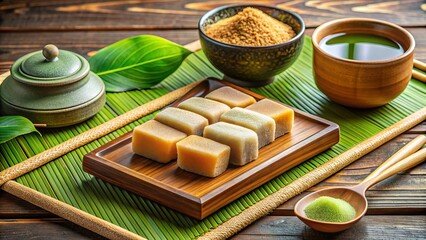
But Kyoto isn’t all white tablecloths and hushed rooms. The city also has a serious sweet tooth. Enter wagashi, traditional Japanese sweets that are as pretty as they are delicious. Yatsuhashi is the local favorite — soft, cinnamon-scented, and often filled with sweet red bean paste. Watching them being made in small shops along streets like Ninenzaka is half the fun… the eating is the other half.
For something more casual (and dangerously snackable), wandering through Nishiki Market or the streets of Gion is a must. Pickled vegetables, fresh sushi, skewers, matcha treats — it’s impossible not to graze your way through the city. Kyoto’s food scene manages to be both refined and approachable, proving that whether you’re splurging on kaiseki or eating your way down a narrow alley, every bite tells a story.